
 Español
 English
 Português
Cusco's cultural renaissance
In recent years, Cusco has reclaimed its identity as a living cultural center: traditions, community tourism and a new Andean cuisine await travelers.
Cusco is no longer only the gateway to Machu Picchu
Cusco was once the heart of the Inca Empire, the "navel of the world." Today, its streets, temples and festivals still reflect a blend of Inca and colonial legacies.
Walking through its cobblestone lanes takes you through centuries of history that still shape everyday life. From its most vibrant traditions to community tourism, this Andean city is celebrating its roots again and inviting travelers to do the same.
Three stops to feel the pulse of the city
Cusco's cultural renaissance can be experienced in neighborhoods, temples and markets that blend past and present without losing their authenticity.
San Blas neighborhood
Home to artisans and painters, this bohemian neighborhood displays traditional Andean art and local crafts. Its open workshops form a living museum of Cusqueño craftsmanship.
Qorikancha Temple
This was the most sacred temple of the Incas and now also houses a colonial church. It is a powerful symbol of cultural fusion, where two worlds share the same walls.
San Pedro Market
Cusco's outstanding local market is filled with the colors, flavors and sounds of its living culture, offering fresh Andean produce and homemade food served on the spot.
Community tourism: preserving the ancestral
In rural communities, ancient traditions are being revived with pride and shared with visitors through community tourism projects.
Weaving, pottery and agricultural techniques passed down through generations are now opening their doors to travelers. In places such as Chinchero, Patabamba and Raqchi, you can learn about traditional textile dyeing, take part in everyday Andean life and enjoy meals prepared with local ingredients while supporting sustainable livelihoods.
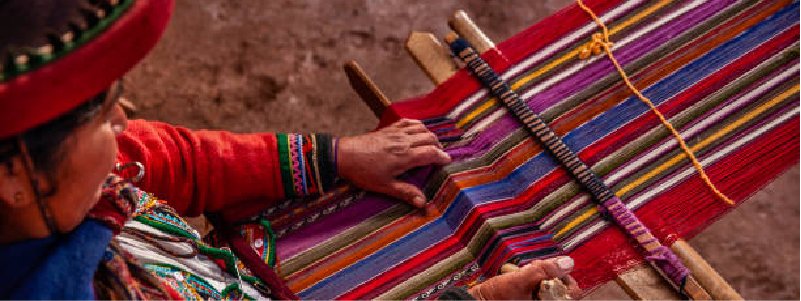
Share knowledge, sustain livelihoods
These encounters are not a tourist show: they offer a genuine window into Andean life. Taking part directly benefits host families and helps keep their traditions alive.
Cusco's festival calendar
Every month, the streets fill with music, dance and devotion as celebrations blend ancient Andean beliefs with Christian traditions.
Inti Raymi
The Festival of the Sun, celebrated every June 24, recreates one of the most magnificent Inca ceremonies at Sacsayhuamán.
Corpus Christi
A colorful Catholic procession where the saints meet ancient symbols of fertility and harvest in a unique display of syncretism.
Virgen del Carmen
The spectacular festival in Paucartambo, filled with masks, processions and rituals that express Peru's cultural diversity.
The new Andean cuisine
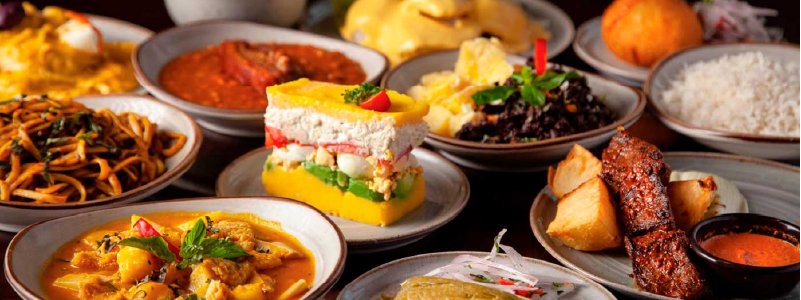
Food is also part of the renaissance. Local chefs embrace traditional ingredients such as quinoa, corn, potatoes and trout, then reinvent them with modern techniques.
Whether it is a home-cooked meal in a rural community or a gourmet experience in the city, every dish tells a story of heritage and innovation.
Cultural tourism as an engine for change
Cultural tourism helps protect traditions, empower local communities and create meaningful exchanges between travelers and hosts.
Beyond its ruins and mountains, Cusco's true magic lies in its people: proud guardians of an ancestral legacy that continues to evolve. Experience the living culture of the Andes and discover a Cusco that feels both timeless and vibrant.
Want to experience cultural Cusco?
We will take you to San Blas workshops, local markets, the communities of Chinchero and the festivals with guides who tell the story of their own homeland.